

 March 19, 2026Dr Christine Parker
Multilingualism can mean something beyond the spoken word but includes all the different ways humans use to communicate; through gesture, facial expressions, movement, sound making, the visual arts, as well as using different communication systems. I’m sure you can think of more!
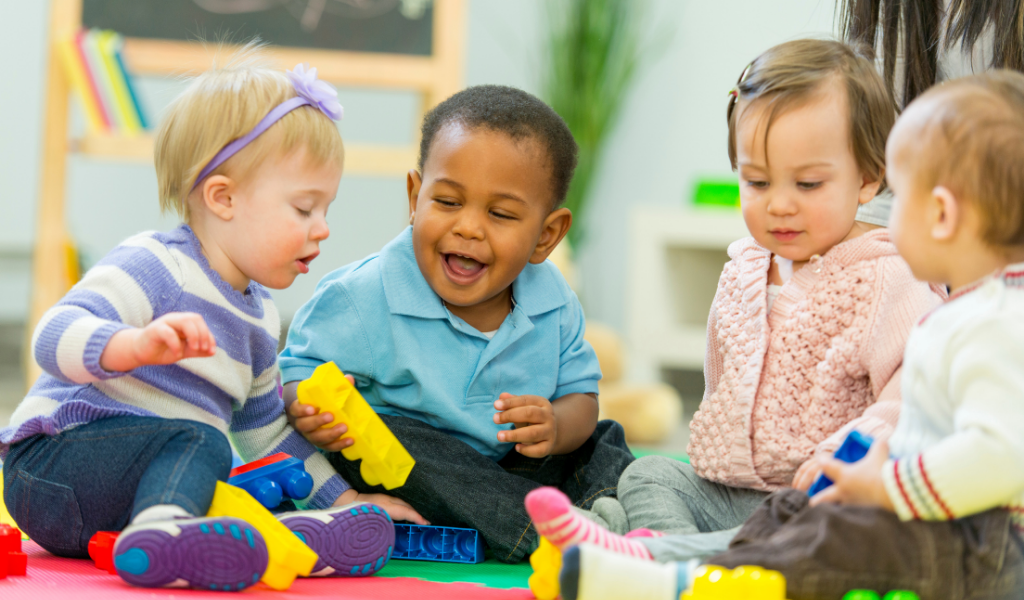
When you watch children play their urge to communicate to one another and to adults in the setting is visible through their actions, the way they move around and the choices they make. Remember the observation skills you have and be responsive to all children.
Celebrate all the ways children communicate their feelings, emotions, needs, ideas, questions, joy and frustrations.
Here are my 10 practical suggestions to support children new to English.
1. Talk to the child’s parents to ensure they communicate with their child in their home language. They might speak English as well at home, and that’s fine, but it’s so important for the child in terms of their identity as well as their ability to learn if they are fluent in their home language. This makes learning English easier for them.
2. Be confident in what you know about young children. Children who do not speak English will benefit from what you do for all children. I’m talking about; smiling, showing your concern, bending down to their physical level, observing their play and follow their interests.
3. Remember most human communication is non-verbal. This fact should give you confidence. You know how to interact with young children.
4. Have some basic vocabulary prompts to hand in the child’s home language. Words for greeting, words of comfort, and words to say “Mummy will be back soon” help to settle the young child. Talk through with their parents and/or carers. Always check pronounciation. There are useful online tools for translation, and the quality has improved recently.
5. The keyworker system works very well for young children new to English. Forming an attachment with one adult contributes to feelings of safety and security.

6. Once the child is settled, close observation of the young child’s play will inform you of the child’s interests. Do not be concerned if they want a lot of repetition in their play. Gently describe the child’s actions in English, like a musical accompaniment.
7. Do not be surprised by the child’s ‘silent period’. This is part of the young child’s acquisition of a new spoken language. Some children are silent for months before they utter their first words in English. Surprisingly they may talk quite fluently. It all comes together at once!
8. Other children have a go straight away! Often using single words and very simple phrases. Go with it! Mirror their words, show your appreciation.
9. Listen actively to the young child’s first attempts in speaking in English. Don’t correct but repeat what they say in correct English. Often young children are translating directly from their mother tongue, hence words in English could be in a different order.
10. Songs, rhymes and music support the young child’s English acquisition. Have plenty of musical ideas. Children learning English will often sing their first words in English

About the author
Dr Christine Parker has been a professional educator for over 45 years, teaching children and adults within the early childhood and primary phases of education in England schools and Higher Education Institutions in England and Pakistan. Her first degree is in Creative Arts and engagement in the Arts has consistently been at the forefront of her teaching and learning alongside children and their families.
