

 March 26, 2026Dawn Rigby
Play – it’s an evocative word, isn’t it and one of my favourite things to talk about. As early years practitioners and teachers, we understand the importance of play and the essential role it has in children’s learning and development. Pioneers of play have long advocated for its role in supporting development and its benefits for wellbeing yet it remains a contentious issue.
It seems to me as though perhaps we need to speak more about how play is crucial for building children’s brains and that this will persuade policy makers and those in positions of authority that play does need to be taken seriously.
We are all born with the innate desire and drive to play and it stimulates every area of learning and development, a life without play on the other hand, can inhibit holistic development, it really is that crucial.
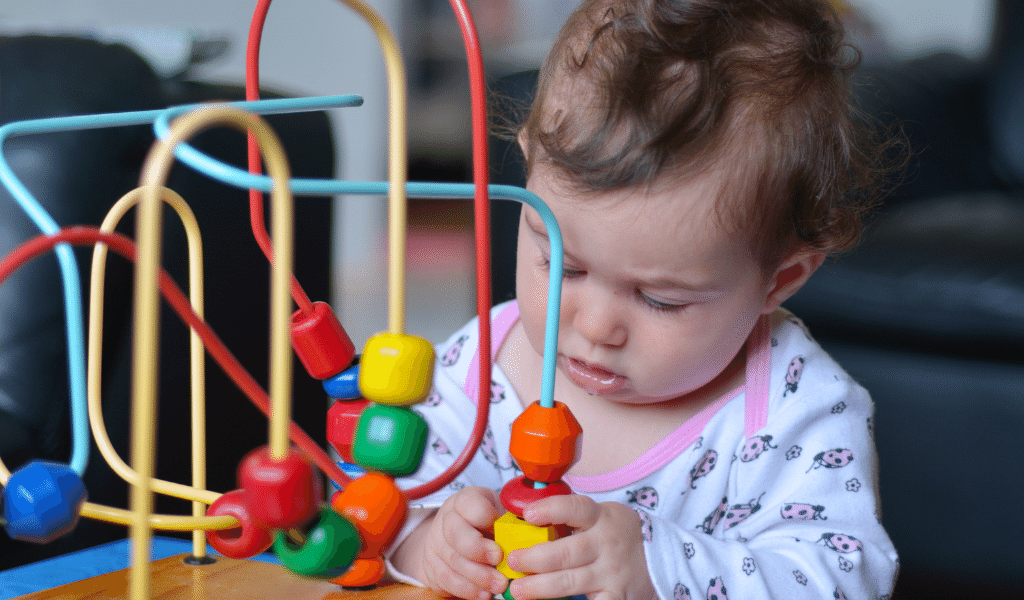
The early years are the most active period for establishing neural connections; these are links between neurons that form the extensive networks of the brain and the nervous system – effectively one cell talking to another – more than 1 million neurons are formed every second in the first few years of life – play triggers the strengthening of neural pathways and provides the stimulation the brain needs to wire itself effectively. Repetition of this stimulus strengthens the pathways making it easier for impulses to travel along it. This process is known as hardwiring.
Play is an important part of a child’s life as it actively shapes the brain – as children engage in play, they are strengthening their neural pathways through repeating enjoyable experiences and by exploring their environment so that they can experiment safely. By engaging in play, dopamine is released rewarding the brain, endorphins are released reducing stress and anxiety and oxytocin fostering a sense of joy and wellbeing helping to regulate emotions. These all make the brain more receptive to learning. Through play the brain becomes strong and flexible laying the groundwork for future learning, health and behaviour.
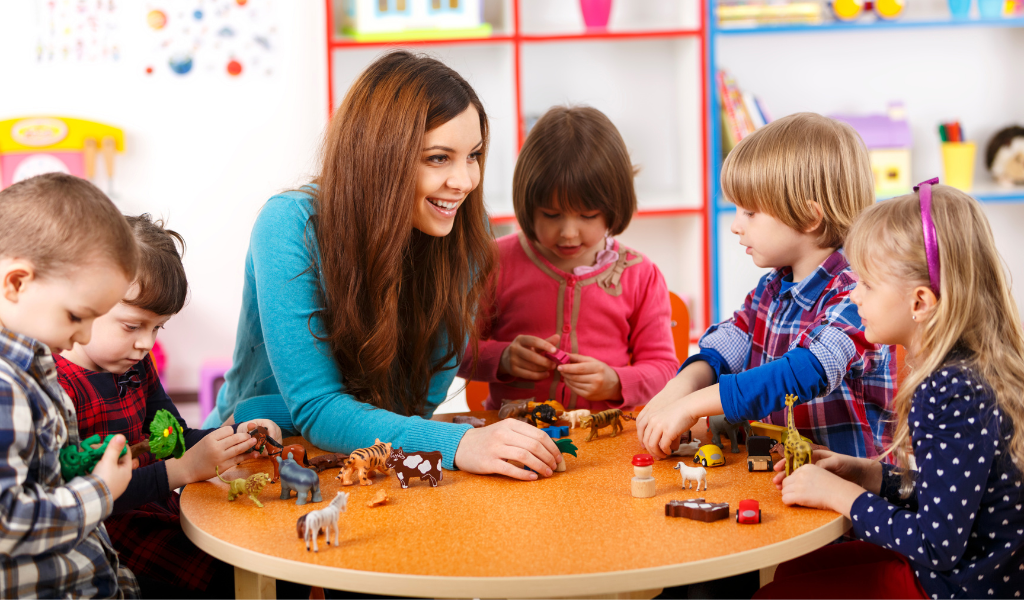
We need to ensure our environments afford opportunities for children to explore play in order to shape and develop their brains.
Are there opportunities to:
References
https://developingchild.harvard.edu/key-concept/brain-architecture accessed 17/2/26
Www.inspiredchild.org.uk accessed 17/2/26

About the author
Over the last 2 decades, Dawn Rigby has been immersed in all facets of the Early years sector. Dawn originally trained as a Montessori teacher, and has Early Years Teacher Status, a Postgraduate Certificate in Education and a Masters Degree from the University of Roehampton. A key principle of her practice is that all those working with children need a good level of understanding of knowledge and theory and an outstanding practitioner needs to be able to demonstrate this knowledge by putting it into practice. In the last few years Dawn has been working on ways to develop playful interactions to enable strong emotional connections between adults and children. She feels very passionately that adults need to engage with children as play partners, supporting, extending and respecting their play, valuing those play choices. Dawn firmly believes in the child’s right to play and is an advocate for a play curriculum in early years especially through In the moment planning.
