

 May 13, 2026Tamsin Warley
“When little people are overwhelmed by big emotions, it’s our job to share our calm, not join their chaos.” -L.R Knost
You don’t need instruments. You definitely don’t have to be a great singer. You don’t even need a music lesson plan – what you need is already with you: your breath and your voice.
Here’s why they matter more than you might think, together with five practical ways to bring music and mindfulness into your setting, starting now.
When a child is distressed, what do you instinctively do?
You use your voice. A soft tone. A gentle hum. A soothing “hey … it’s okay to feel this.”
You are already doing this. Now here’s the science behind why it works.
Inside the body runs the vagus nerve – the longest nerve we have. It starts at the brainstem, travels through the vocal cords, and connects all the way to the heart, lungs and gut. It’s the body’s “rest and digest” system – the opposite of fight, flight-or-freeze.
When we hum or sing, we physically stimulate that nerve. We send a direct signal to the nervous system: you are safe.
This works for you. And it works for every child within earshot of your voice.
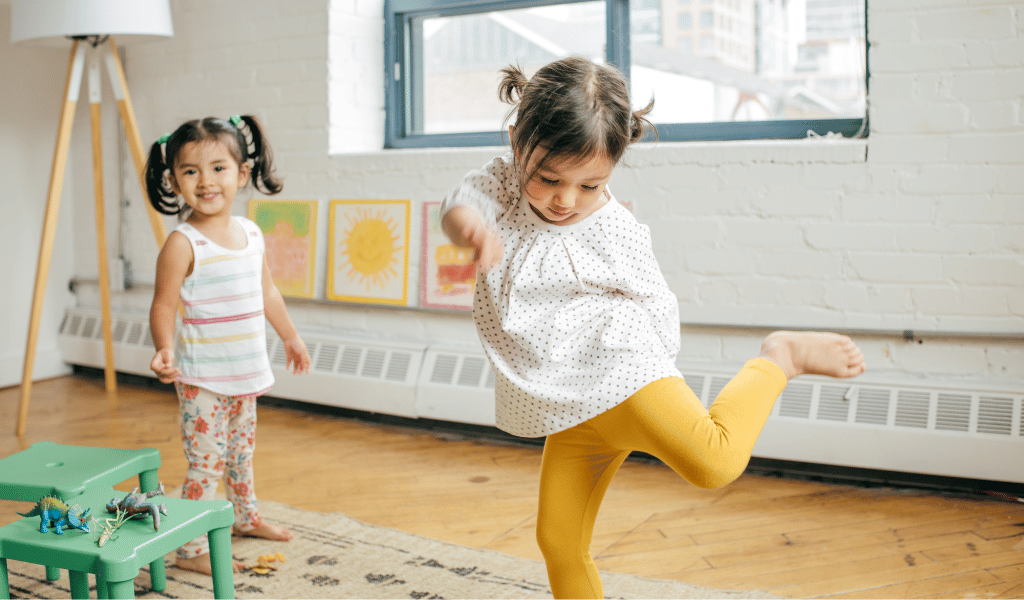
Your calm is the intervention
Children’s nervous systems aren’t fully developed yet. They can’t self-regulate alone.
What they do instead is borrow regulation from the adults around them. This is called co-regulation – and it’s biologically essential. Your calm, regulated presence is one of the most important resources in your setting. And your voice is the primary way you transmit it.
There’s a fascinating detail worth knowing: when a child is highly distressed, they literally cannot process your words clearly. Their pre-frontal cortex goes “off-line” as the amygdala sounds its alarm. But when you use your voice, they can feel your tone, your rhythm, your frequency. Your vibration transmits an invisible hug to their over-stimulated body.
That’s where voice and music bring them back to being fully present.
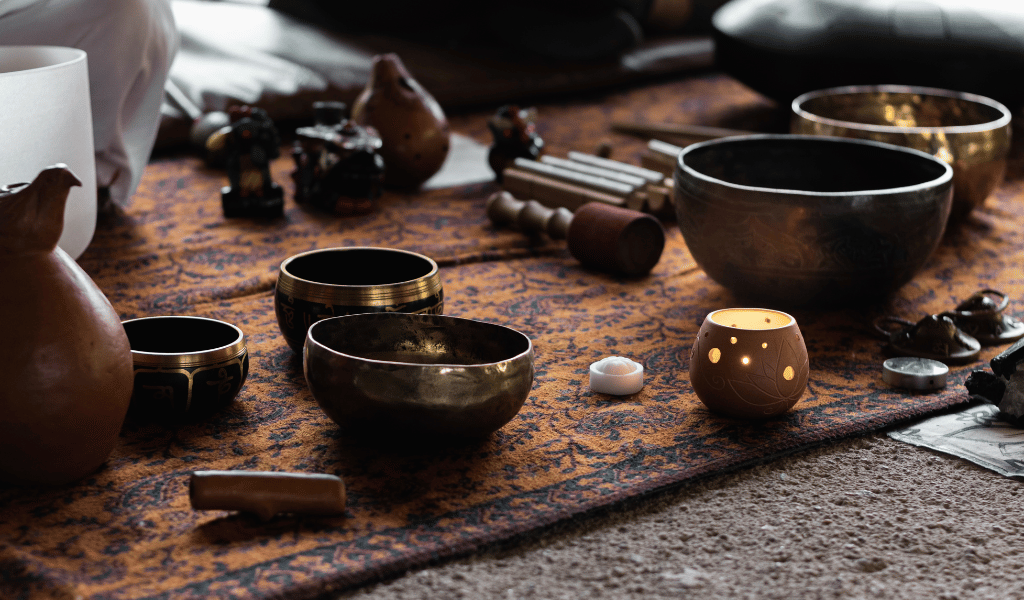

Choose one technique, and practice it – feel how it affects you, then you have the experience to draw from. And remember … you don’t have to be a trained musician to use your voice. Try the morning hum. A transition song. A feelings check-in. One thing, this week.
That is enough.
That is a beginning.
Tamsin Warley is the founder of MindfulnesSing, a sound, voice and mindfulness practice supporting children’s and adults’ wellbeing. She’s a singer-songwriter and trained with Mindfulness in Schools Project (MiSP).