

 May 14, 2026Vikkie Murray & Sam Goldsworthy
Math is everywhere.
We have noticed that, quite often, when someone mentions “maths” there is a collective sigh and the kind of silence that would welcome a pin dropping! Let’s dispel the myths and do away with the apprehension – with the right mindset, a bit of fun and imagination, you can bring the magic back into maths for your children and yourself!
To enable children to effectively explore maths and develop depth in their mathematical learning, you need to foster a growth mindset. A growth mindset is the belief that intelligence is not fixed and with effort, determination and resilience, we can change our intelligence and learn, well, pretty much anything!! A child with a growth mindset will explore, investigate, experiment and play with different ideas, learning from challenges and growing from mistakes. The other mindset we need to consider is our own! Instead of viewing maths as a chore, something that needs to be done, start looking for the everyday fun that can be had in mathematical learning.
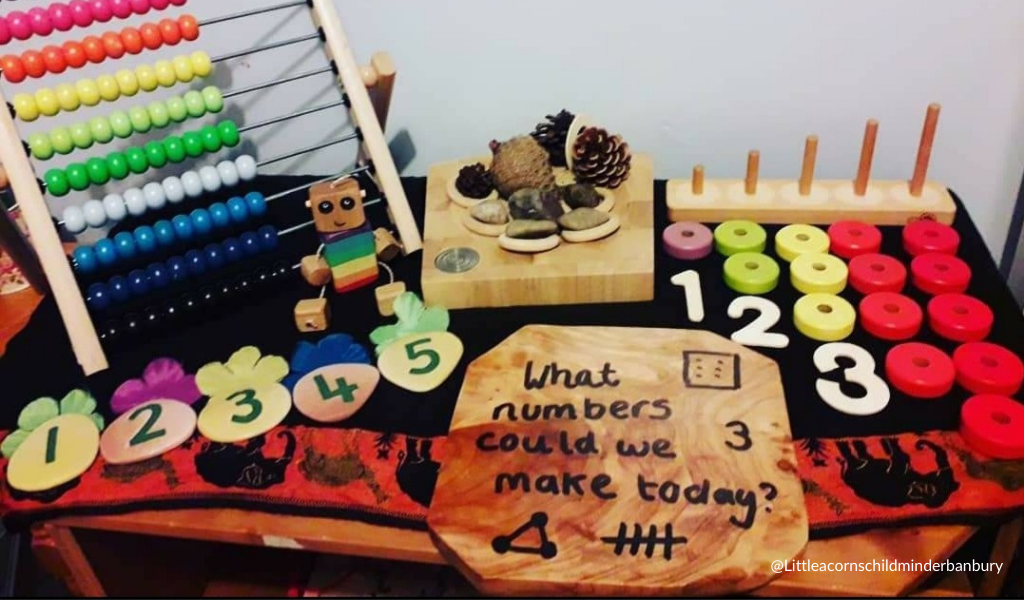
In Early Years, every day is a chance for adventure and exploration. Think about your everyday adventures – catching the bus, posting letters, baking cakes, building structures, solving puzzles – all of these are wonderful opportunities to explore mathematical thinking and ideas in your day-to-day practice. When you talk about your daily routine, prepare for meals, set the table, vote for a story – all of these little elements of your rhythms and routines are building children’s confidence, interest and understanding of maths in the world around them!
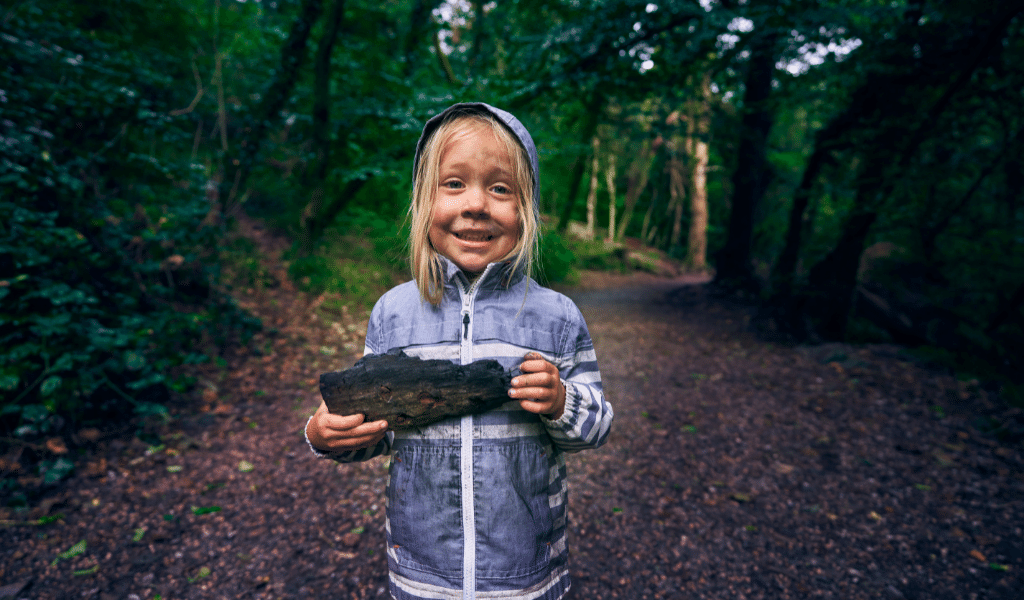
Maths is a journey and you need to be prepared to explore alongside the children, model your own thinking aloud, explain your reasoning and listen as they explain theirs. Maths is not a race to the correct answer but a layering and developing of deeper understanding. Take your time with your daily routines – allow the children time to count the coats hanging up, to check and question the visual timetables, to make (and explain) collections of objects, to build and rebuild. Like all learning, maths is not something to be rushed – we need to give children time and space to apply their learning, make mistakes, find solutions, to plan, to challenge… to play!
Maths need not be boring! There is so much room for imagination and fun. As well as using props for your number songs, why not try telling a maths story using props or loose parts – Handa’s Suprise is a cracking example and it really brings the maths to life! Playing with mathematical ideas this way gives children meaning, context and motivation to explore the challenges set, to explain their reasoning and be physically involved in the learning. This is also true in their daily routines – checking all of the names of their friends are in the registration area, counting out the cups/bowls/cutlery, helping to update the visual timetable for the day, handwashing, toothbrushing – all of these activities provide opportunities to build mathematical confidence and understanding.
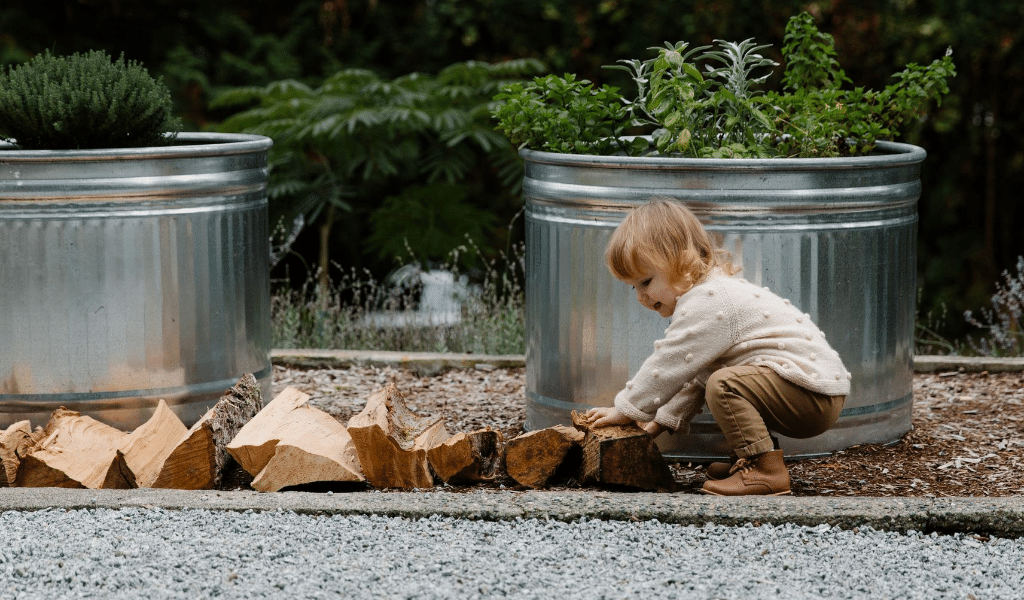
Number sense, spacial awareness, a sense of time, a sense of comparison. Mathematical thinking is a big part of how children reason and make sense of the world around them. It is ingrained into their everyday routines – noticing a friend’s registration peg is missing from the house, knowing we need 2 shoes, checking how many fingers are in our gloves, knowing what is coming next, counting out the bowls for snack time. It can even be a part of their sense of justice and fairness – does someone have more trains, less time on the bike, the “bigger half”, the lighter bucket?
How we build maths into children’s every day routines is key to how they perceive its importance and how they view themselves as mathematicians. We want them to develop this sense for maths – this deep and holistic understanding of how maths weaves everything in their world together so they approach it with interest and confidence.
Maths is often viewed as an area of learning where you are either right or wrong – instead we would like you to think about maths as an adventure you go with your children daily, where the destination is secondary to the journey. The journey is where the play happens, where fun is had, the hard work is done, ideas are explored, tested and challenged! Without the journey, you could never reach the destination! Embrace the everyday magic of maths!
About the authors
Vikkie Murray is a highly experienced childminder and advocate for the Early Years sector. She has been a qualified teacher for over 20 years and has had a wide and varied career, as well being a childminder, she has also been a primary school early years teacher, SENDCo, early years specialist teacher for a national daycare company, and was awarded Highly Commended in the Individual Childminder of the Year category at the Nursery World Awards 2025. She is passionate about practical and informative professional development, and supports a child-led and family-centred learning approach.
Sam Goldsworthy is a childminder, early years teacher and forest school and beach school leader. She is passionate about outdoor learning in nature. She is a member of the Early Childhood Maths Group, supporting the development of resources. Sam advocates for child-led play delivered within the provision through a Montessori and Hygge approach.
