

 July 14, 2026Tricia Mohamed
In this blog post, Tricia Mohammed shares a very interesting interaction with 4-year old….
During a research project last year, one little boy kept his eye on me. He circled the room, came close, then darted away the moment I looked up. I wondered what it was. Maybe he sensed I was a teacher. Maybe the book we were making looked like writing, and writing was not his thing.
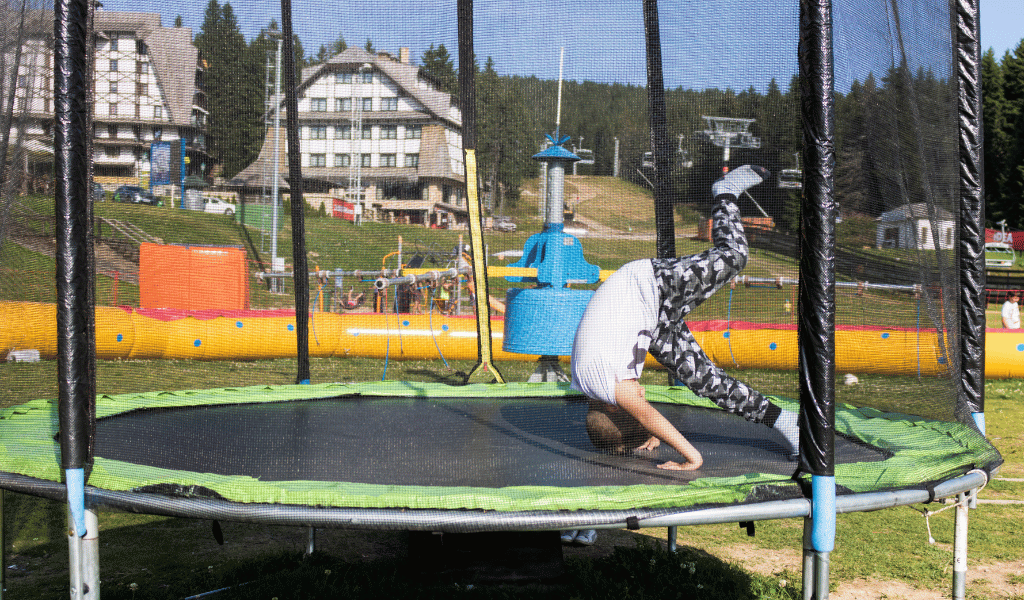
So one afternoon, I sat in the sandpit and built my own sandcastle. I chatted to the children around me and left him be. He dug his hole nearby. Then he crept up, leaned in, and whispered in my ear. “I can do a backflip.”
That whisper changed how I saw him.
By the school’s own assessment, this boy was not a strong reader or writer. At four years old, he may already have decided he was not a “writer”. But he could do a backflip, and he was proud of it. The real question is whether our settings are set up to see that.
We often hear that some children arrive lacking. That our job is to fill them up with cultural capital, and that the most disadvantaged arrive short of it. I went looking to test that idea. I found the opposite. Every child I met arrived rich. Not one arrived empty.
I wanted a way to share this idea with four-year-olds. So I read them Elmer and Giraffes Can’t Dance, stories that celebrate what makes each character unique. Then I gave them a simple definition.
Your superpower is the things you know, the things you can do, and the things that matter to you. The thing that makes you, you.
We started building a class book of superpowers. Things their teacher might not know about them. A backflip. A home language. A way of caring for a younger brother. Knowledge handed down at home.
When I looked at the school’s records, almost none of this showed up. The drawings, the languages, the leadership in play, the deep fascinations. Hardly any of it counted as learning.
It narrowed as the year went on. The closer the children came to Year One, the more the focus shifted to literacy and maths. The rich knowledge they walked in with slowly faded from view. No one meant it. The system simply had eyes for a narrow slice.

You do not need a new curriculum for this. You need a new way of noticing. It comes down to three habits.
His confidence grew. The way he spoke, the way he trusted me, the way he stood. And I wondered if that confidence might one day spill into his reading and writing too.
So this week, bring one child to mind. What is their superpower, and is it being seen? Do not try to fix the child. Change your view of the child. Notice differently, respond differently, and children grow.
See their spark. Grow their confidence. Honour their story
About the author
Tricia Mohamed is a UK-qualified teacher with over 25 years of experience working in education both in London and internationally. Having spent decades in diverse educational settings, Tricia brings a wealth of practical insight and a deep understanding of the challenges and opportunities educators face today. As the founder of Play Practitioners, a bespoke consultancy and training provider, Tricia is committed to helping educators and parents maximise children’s learning potential through tailored solutions.
