

 October 14, 2026Rebecca Martland
A revised version of the Statutory Framework for the Early Years Foundation Stage (EYFS) came into force on 1st September 2026 in England. As before, there are two versions:
– one for childminders
– one for group settings, which includes EYFS provision in schools and Childcare on Domestic Premises (CoDP).
There are major changes relating to staff suitability and safer sleep requirements, new sections regarding banned dog breeds and the use of screen-time and minor adjustments including updated links, dates and references to changes in legislation or policy such as Best Start in Life.
A link to a handy summary of the changes can be found at the end of this article.
The revised EYFS 2025 had a heavy emphasis on safer recruitment practices to ensure that early years staff, including childminder assistants, were fully vetted and deemed suitable to work with children. Following recent high-profile cases of staff being found guilty of abusing children in early years settings, where there were shortcomings in the recruitment process and management of allegations, these practices have been strengthened further.
The EYFS 2026 makes it clear that providers, including childminders, must take allegations of harm or abuse seriously, and must notify either Ofsted or their Childminding Agency (CMA) where any allegations of harm are made, not just ‘serious harm’. A definition of harm from the Children Act 1989 is given to provide clarity.

A key change in the recruitment process is the requirement for staff to not only have at least one satisfactory written reference provided before employment is confirmed, but also to have all suitability checks completed. For all staff, this means an enhanced DBS and barred lists check, and for childminder assistants also a suitability letter from Ofsted/CMA, must be received before they can begin work and be included in ratios. Previously a staff member could commence work in a supervised capacity whilst waiting for their DBS/suitability letter but this will no longer be permitted.
The requirement for these checks to be in place also applies to volunteers, including students (aged 16 years and over) following the implementation of the Crime and Policing Act 2026 which amended the Safeguarding and Vulnerable Groups Act 2006, removing the exemption for supervised, unpaid activity. This requirement does not apply to occasional supervised volunteers as long as they work on 3 days or fewer in a 30 day period.
These changes have serious implications for settings who must take into account the possible lengthy period it can take for DBS checks to be returned when recruiting staff, and even more so for childminders who will have the additional wait for a suitability letter. The DfE and Ofsted are aware of these issues and have assured the major Early Years organisations that they are actively working on reducing waiting times.
Staff and prospective staff must be made aware that they must advise their employers of any information or situation arising that may affect their suitability to work with children, including but not limited to, arrests, charges, convictions, cautions, court orders, reprimands, and warnings. This is a more comprehensive list than that provided in EYFS 2025 and a change from ‘expected to’ to ‘must’ disclose so a much more stringent approach.

The changes to sleep requirements were made following the tragic deaths of Genevieve Meehan and Noah Sibanda. These changes have been contentious and generated much discussion. The situation has not been helped by the fact that not all the proposals initially outlined by the then Early Years minister, Olivia Bailey MP and the DfE have been incorporated into the EYFS 2026, but have been retained on the DfE Help for Early Years Providers website. This has caused confusion over what may be interpreted as guidance and what is a requirement, including the use of buggies for older children’s sleep.
The EYFS requirements are for children under the age of 2 years and are in line with safer sleep recommendations by the Lullaby Trust. For the most part these are practices Early Years settings already have in place, but have been made explicit requirements rather than good practice, such as placing children to sleep on a firm, flat, waterproof surface in the feet-to-feet position, tucked in below shoulder height, with no pillows, bumpers, head coverings, toys etc. The EYFS does not explicitly refer to the use of dummies and comforters but the Lullaby Trust advise that whilst dummies (without attachments or ties) are acceptable and may be helpful in reducing the risk of SIDS, other comforters such as muslins and soft toys should be avoided and must not be left in a cot with babies under 12-months-old.
The EYFS states that babies aged 12 months and under must only be placed to sleep in a cot and provides a definition of this as cot, carrycot, moses basket, and travel cot. The separate DfE Help for Early Years Providers guidance notes that coracles and sleep pods, do not meet the requirements due to safety concerns associated with the use of floor beds with lowered sides for babies aged up to 12 months. Manufacturers of coracle beds have disputed this as the evidence used to determine their unsuitability related to a different type of cot-bed. The DfE are holding firm however so settings should refrain from using coracles or similar. In determining suitability of cots etc. the EYFS says providers may find it useful to refer to the British Standards and the DfE Help for Early Years Providers gives a list of the relevant British Standards that providers may find it useful to refer to:

In addition to frequently checking children who are sleeping the EYFS 2026 makes it a requirement that all sleeping children must be in both sight and hearing, and that for children under the age of 6 months a member of staff must be physically present in the room with them. The DfE have confirmed that for children aged 6-months and over a baby monitor may be used but settings must ensure it allows children to be seen and heard at all times, so providers should consider how effective these are if staff are also supervising non-sleepers at the same time, and should not use these to replace frequent physical checks. The EYFS does not define ‘frequent’, it is up to the individual setting to determine how often checks are made and whether or not/how to record these in writing.
The DfE Help for Early Years guidance gives additional information regarding children who fall asleep whilst on outings and the use of buggies as sleep spaces. Both the EYFS requirements and DfE safe sleep guidance refer to children under two years olds but should be taken into consideration for older children.
If a baby or child of any age falls asleep whilst travelling in a car seat, they must be transferred to their separate sleep space as soon as they return to the setting.
The DfE advise that a lie-flat pram/pushchair should not be used as children’s main separate sleep space and that babies aged 12-months and under that fall asleep whilst travelling must be transferred to their cot once they return to the setting, with hats and extra clothing removed as soon as they are indoors (or enter a car, bus or train), even if this means waking the baby.
Children aged over 12 months that fall asleep whilst travelling should be moved to their own separate sleep space (as above) with coats, hats and blankets adjusted to prevent overheating.
When asked about older children the DfE advised that professional judgement and manufacturer’s guidance should be used about whether a lie-flat buggy would be appropriate. They state that the advice for children under 2-years old has been informed by expert opinion and would recommend that it is also followed for children over 2 to ensure that they are kept as safe as possible. However, this is not a requirement.

This is a new addition to the EYFS and follows guidelines issued to parents earlier in the year. Providers must now have regard to the new guidance on screen use on the DfE Help for Early Years Providers website which recommends that for under 2 years screen time should be avoided altogether and for children aged2-5 years screen time should be limited to up to 1 hour a day.
Settings should focus on teaching children about different types of technology and how to use them safely in an age-appropriate way, through limited, carefully planned, interactive use, clearly linked to learning intentions. The guidance states ‘screens should not replace high quality educator-child interactions, as direct human interaction provides a much richer experience for children’ and that ‘good practice involves adults co-engaging with children, prompting children to think, predict, respond or discuss, avoiding activities which provide an automatic response without any effort on the part of the child.’
Dog breeds banned under section 1 of the Dangerous Dogs Act 1991 must not be kept or be present on registered childcare premises at any time, even if the owner has a certificate of exemption. This new requirement applies to all settings, including childminders.
View our EYFS Hub with the official EYFS documentation:
PLUS! You can download a printable summary from Rebecca – EYFS 2026 Summary of Changes for ease.
About the author
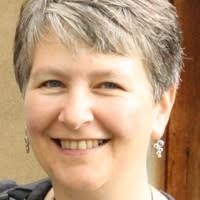
Rebecca Martland is an early years trainer, consultant, author and 4-times Ofsted ‘outstanding’ registered childminder, with over 20 years’ experience in the early years sector. Rebecca is a staunch advocate of play based, child-centred education and childcare, with a keen interest in supporting and enthusing others to share this philosophy.